



 WhatsApp

DOING HOLDINGS
Henan Doing Environmental Protection Technology Co., Ltd
E waste recycling machine manufacturer
- WhatsApp: +86 150 3713 8562
- Email: market@doinggroup.com

Industry News

The Growing Business of Lithium Battery Recycling in New Zealand
 April 21, 2026
- Industry News
- Leave a message
- Chat online
New Zealand produces about 80 million kilograms of e-waste annually, yet less than 1% is sent for recycling—the rest goes into landfills or is stockpiled. Within this waste stream, lithium batteries from electric vehicles, consumer electronics, and power tools make up a growing portion. Rubbish truck fires linked to damaged batteries are also rising sharply, with Auckland alone recording nearly double the number of incidents in 2024 compared to the previous year. These figures point to a clear gap between the volume of battery waste being generated and the infrastructure available to handle it. That gap is what makes New Zealand's lithium battery recycling business a space with room to expand.
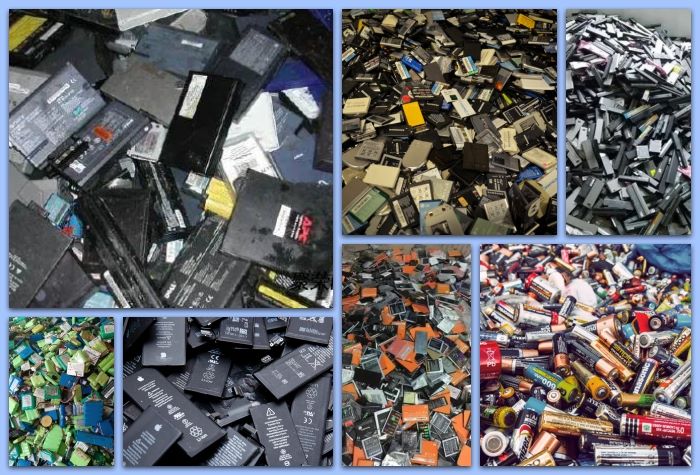 Discarded lithium batteries in New Zealand
Local councils, like the Kāpiti Coast District, are moving from battery collection trials to permanent services, diverting kilograms of waste from landfills each week. Industry groups are also working on nationwide stewardship schemes. However, collection is just the first step. The real shift lies in what happens next: processing that waste locally and extracting its value.
A Supportive Regulatory Framework
Regulatory changes are shaping how this business takes form. Since mid-2025, importing or exporting e-waste containing lithium batteries requires a permit from the Environmental Protection Authority. This change makes shipping untreated battery waste more complicated and points toward local processing as the more practical route. The Ministry for the Environment is also looking at updates to waste laws to formalize battery stewardship. For enterprises or investors entering the lithium battery recycling business in New Zealand, the direction of policy provides a clearer picture of what will be required and what opportunities may open up.
A Clear Market for Recovered Materials
Based on the report, the New Zealand waste battery recycling market is valued at USD 1.2 billion and is anticipated to experience a growing growth rate of 5.41% by 2027. The financial side of lithium battery recycling in New Zealand holds up because the recovered materials have established buyers. Used batteries contain copper, aluminum, lithium, cobalt, and nickel—metals that manufacturers need for new products. Recovering them reduces reliance on mining and offers a local source of supply. Local firms are already active in this space, with some using shredding technology to produce "black mass," a powder rich in these critical minerals. The commercial logic is straightforward: there is demand for these metals, and extracting them from spent batteries costs less than mining new ones.
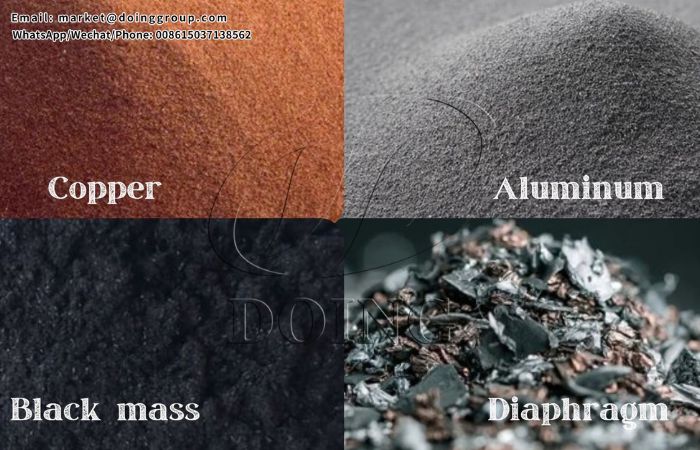 Metal resources recovered from lithium batteries
Proven Processing Technology
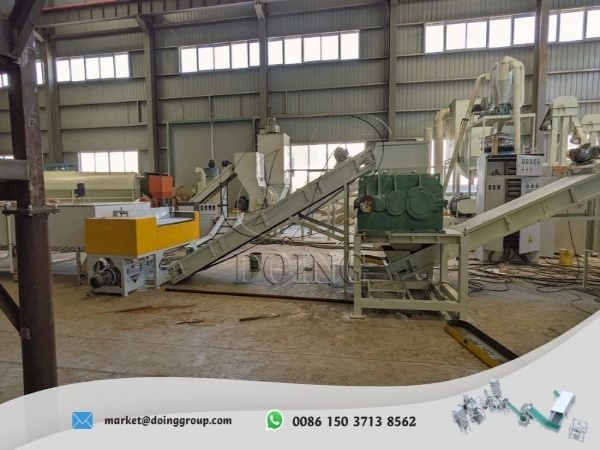
The equipment side of the business is also more settled than it was a decade ago. Mechanical separation systems now provide a reliable method for processing batteries without the complexity of high heat or wet chemicals. DOING lithium battery recycling plant operates on this principle, using a dry physical multi-stage crushing and separation process. This method requires no water or chemical solvents during processing, meaning there is no liquid discharge to manage. It efficiently recovers copper and aluminum while producing a high-purity black mass.
Furthermore, the lithium battery recycling machine integrates a pulse-jet dust collection unit. This captures fine particles generated during shredding, keeping the air clean and making the equipment easier to pass environmental assessments. The entire line is managed by a PLC control system. This automation keeps the operation running consistently with less manual oversight, improving throughput and keeping labor costs predictable. For a recycling business, having equipment that is proven and straightforward to operate removes a major barrier to entry.
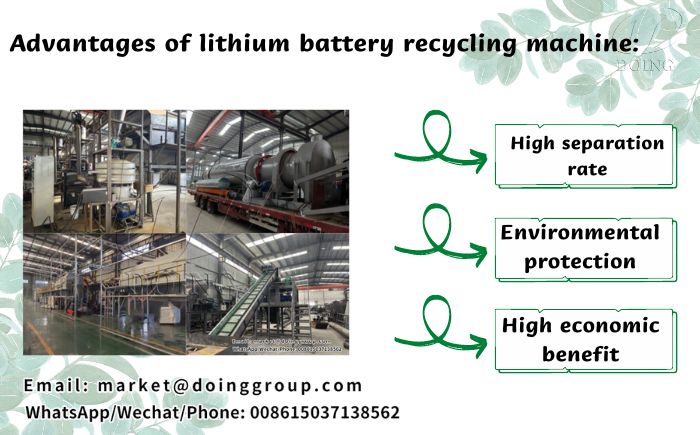 DOING high-efficiency lithium battery recycling equipment
A More Stable Operating Environment
Running a recycling operation also benefits from the broader shift toward local supply chains. Global discussions on critical mineral security are increasingly relevant for countries like New Zealand. Having domestic capacity to recover materials from waste reduces exposure to international freight disruptions and trade restrictions. For a business processing batteries locally, this means a more predictable operating environment and a shorter loop between waste collection and material sale.
When the equipment is reliable and the process is proven, the next question for many operators is about ongoing support and project experience. HENAN DOING Company brings 15 years of experience manufacturing this type of equipment, with installations operating in New Zealand, Brazil, India, the Philippines, Vietnam, and several African nations. Our company also maintains technical and after-sales teams dedicated to serving clients worldwide, providing technical consultation and spare parts at preferential rates to ensure the continuous and efficient operation of our customers' lithium-ion battery recycling facilities.
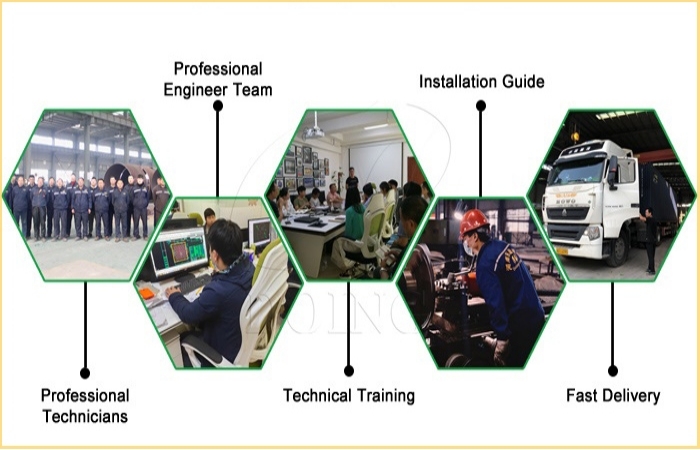 DOING lithium battery recycling: premium after-sales service
If you are looking into the New Zealand market and need more information on the lithium battery recycling equipment specifications, project references, or pricing, contact HENAN DOING through the website. Getting the right technical details early helps streamline the planning process for any new recycling operation.
Contact Us
- Email:
- Tel/WhatsApp:
News

Lithium-ion battery recycling opportunity and challenges in India
What Is The Most Environmentally Friendly Way to Dispose of Batteries?
DOING PCB Dismantling Recycling Machine Shipped to Heilongjiang, China
Chinese Customer Buys 400-500KG/H Circuit Board Recycling Line from HENAN DOING
Chinese Customer Ordered DOING PCB Dismantling Recycling Machine
Contact Us
If you want to get more details, you can send E-mail to market@doinggroup.com. Or you can consult our professional engineers and specialized sales team by leaving a message in below form. We will contact you ASAP.